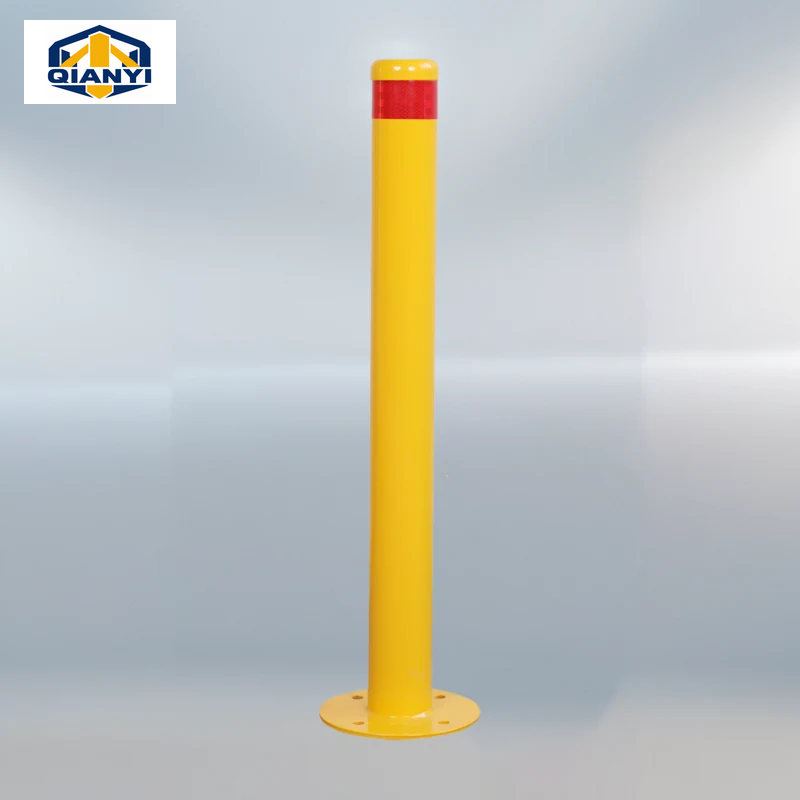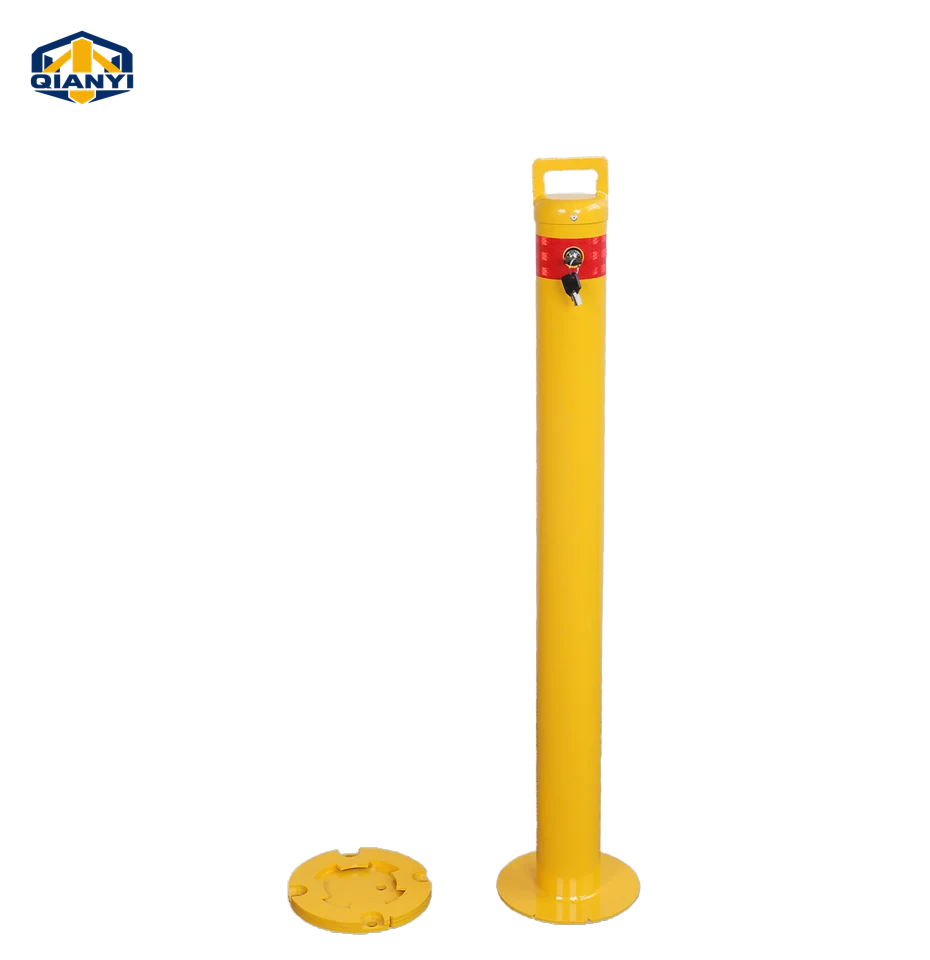
Where access will open
Mark permanent boundaries and the points that need vehicle access. Compare lift-out and fold-down operation against opening frequency, handling and the available storage or folding space.
Compare fixed boundaries, lift-out posts and fold-down parking posts around the access that the site needs.
Use fixed steel posts where the boundary stays in place. Where the lane must open, compare a post lifted from a locking shoe or sleeve with a post folded on its hinge base. Decide who operates it, where a removed post is stored and what remains at ground level before finalising the section and installation.
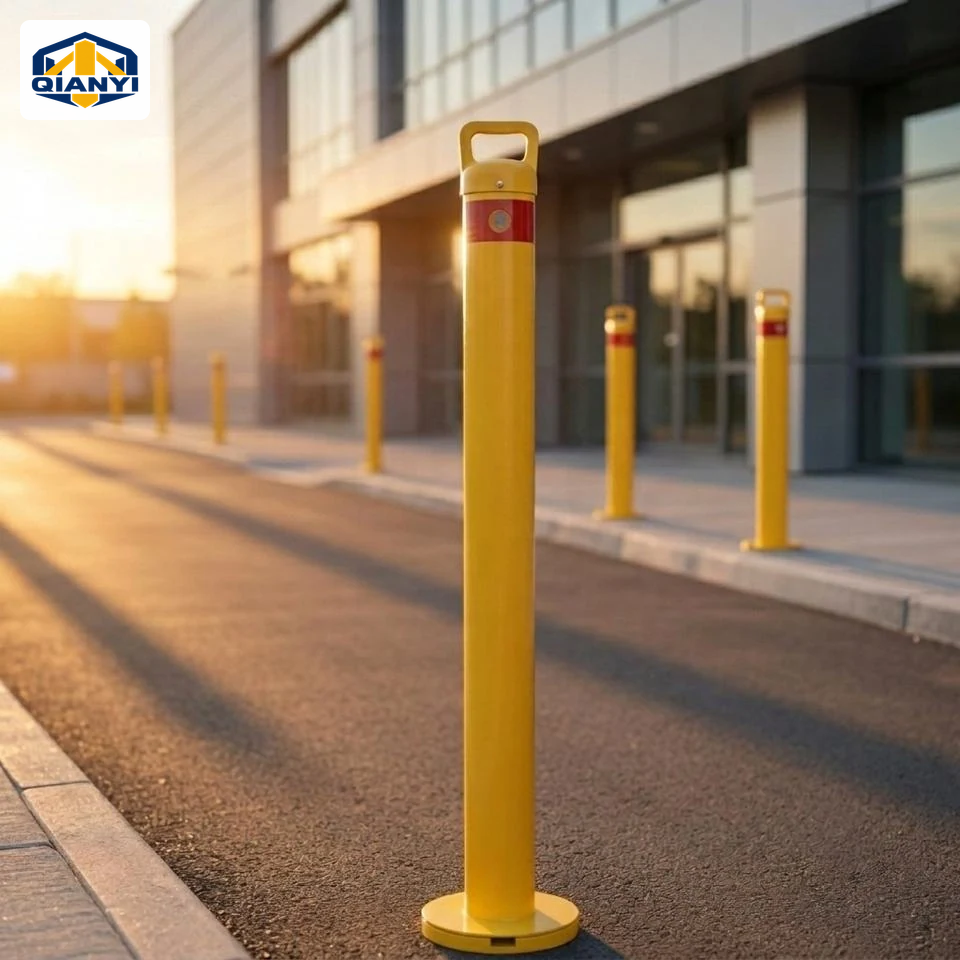
Reference images for planning bollard positions and clearances.
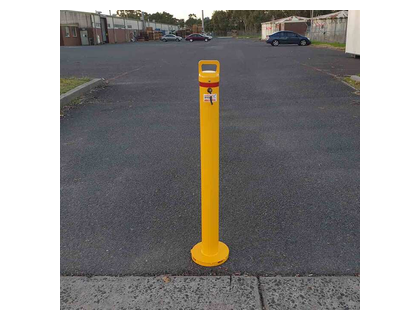
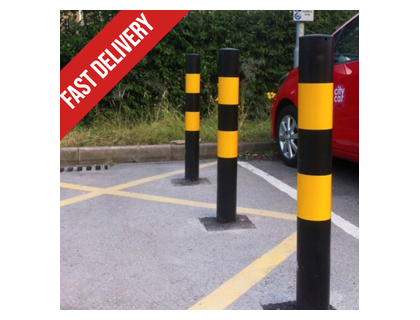
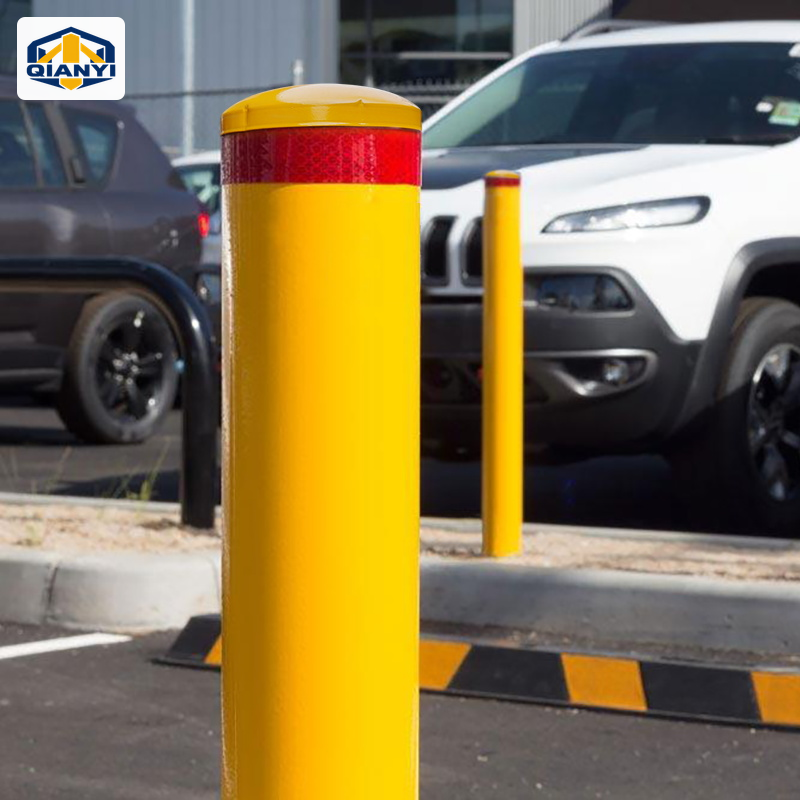
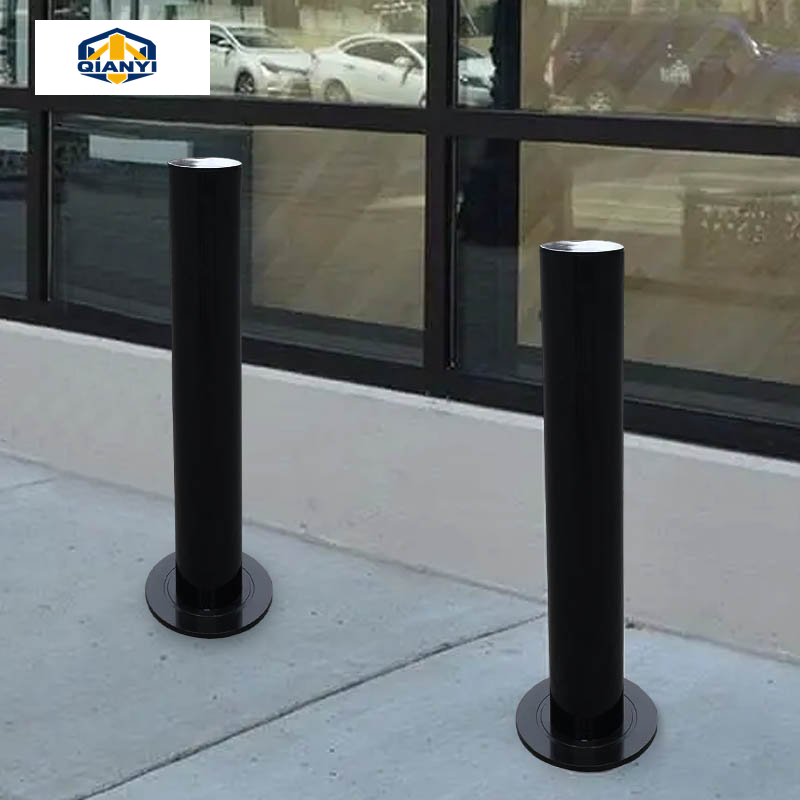
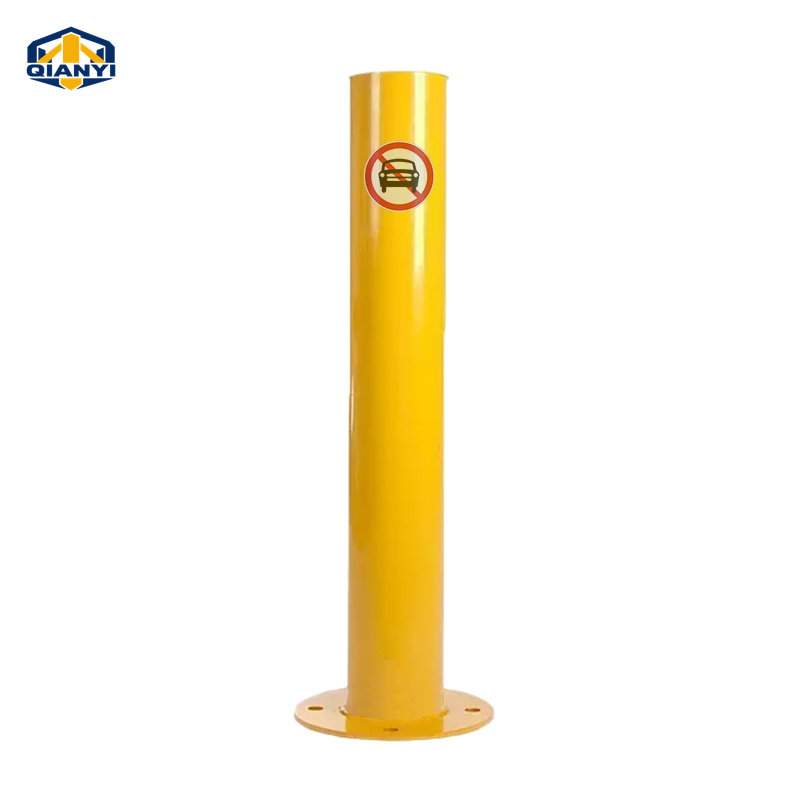
The layout and installation detail matter as much as the visible post.
Mark permanent boundaries and the points that need vehicle access. Compare lift-out and fold-down operation against opening frequency, handling and the available storage or folding space.
Confirm the lock type, key arrangement and removed-post storage. Review the empty receiving shoe, sleeve cover and folded post against the required vehicle and pedestrian clearance.
For embedded posts and receiving sleeves, confirm installation depth, drainage and buried services. For surface-mounted bases or shoes, supply the fixing surface, anchor layout and any slab-edge restrictions.
These product families offer different mounting or operating approaches. Confirm dimensions and site suitability before specifying.